Protecting Wollaston Lake from Invasive Species

Aquatic invasive species can have a serious impact on the health, balance, and enjoyment of Wollaston Lake. Once introduced, invasive plants and organisms can spread quickly, crowd out native species, affect fish and wildlife habitat, interfere with swimming and boating, and become extremely difficult to manage. By learning how to identify invasive species and taking simple prevention steps, residents, cottagers, boaters, anglers, and visitors can all help protect the lake for future generations.

Introducing non-native aquatic species into a fragile lake ecosystem can create unhealthy imbalances that may be disruptive or even fatal to existing native species. Many lakes south of Wollaston Lake, including areas within the Kawartha Lakes region, have experienced major infestations from invasive species such as zebra mussels.

Zebra mussels can reduce or eliminate important fish habitat by affecting aquatic vegetation and algae, clog water lines, damage equipment, and create hazards for swimmers due to the sharpness of their shells.

One of the most important ways we can help prevent the spread of aquatic invasive species is by ensuring that any boat launched into Wollaston Lake is thoroughly cleaned before entering the water. This applies to personal boats as well as boats visiting from other lakes and water bodies.

Invasive Species Act 2015, S.O. 2015, c. 22
Managing Invasive Species in Ontario
Toolkit for protecting your lake from Aquatic Invasive Species

Residents, cottagers, boaters, anglers, and visitors can help limit the spread of invasive species by carefully inspecting and cleaning boats, trailers, motors, anchors, paddles, fishing gear, and other equipment before entering or leaving the lake.

Before launching or moving between water bodies, please take time to:

  • Remove plants, mud, algae, and debris from boats and equipment.
  • Drain water from boats, motors, live wells, bilges, and bait buckets.
  • Clean and dry equipment before using it in another lake or waterway.
  • Avoid disturbing, cutting, raking, or pulling suspected invasive aquatic plants unless proper identification and removal guidance has been obtained.
  • Stay clear of designated milfoil protection markers and sensitive areas.

Small plant fragments, larvae, or organisms can attach to equipment and be transported from one lake to another. A few minutes of prevention can make a significant difference in protecting Wollaston Lake.

Since 2009, WLHCA has participated annually in the Ontario Federation of Anglers and Hunters’ Invading Species Watch Program. Each summer, samples are collected from five different lake locations and submitted for analysis, with results typically received during the winter.

To date, testing has not shown indications of zebra mussel larvae or spiny water flea through this monitoring program. However, the growing presence of invasive species in nearby lakes remains a concern and requires continued vigilance to help prevent their spread into Wollaston Lake.

If you spot a suspected invasive species in or around Wollaston Lake, please take the following steps:

  1. If it is safe and appropriate to do so, remove it and place it in a container for specimen identification.
  2. Report the species type and location to the invasive species hotline at 1-800-563-7711.
  3. Email WLHCA at wlhca.news@gmail.com with the details and location of the sighting.

You may also report sightings using the OWL form where applicable.

Confirmed Invasive Species in Wollaston Lake

As of 2017, WLHCA has confirmed two invasive species in Wollaston Lake: Zebra Mussels and Eurasian Water-Milfoil. Continued monitoring, reporting, and prevention are important to help reduce their impact and limit further spread. Please report any sightings using the OWL form or by emailing wlhca.news@gmail.com.

Eurasian water-milfoil is an invasive aquatic plant that grows below the surface of the water and can spread quickly in lakes, rivers, and slow-moving waterways. Once established, it can form dense mats of vegetation that crowd out native aquatic plants, reduce biodiversity, interfere with fish and wildlife habitat, and make swimming, boating, paddling, and fishing more difficult.

This plant is especially concerning because it can spread through small broken fragments. Pieces of Eurasian water-milfoil can attach to boats, motors, trailers, paddles, anchors, fishing gear, and other equipment, allowing it to move from one area of a lake to another or from one waterbody to the next.

Residents, cottagers, and visitors can help reduce the risk of spread by carefully inspecting, cleaning, draining, and drying boats and equipment before moving between waterways. Avoid pulling, cutting, raking, or disturbing suspected invasive aquatic plants unless proper identification and removal guidance has been obtained, as broken fragments may contribute to further spread.

If you believe you have found Eurasian water-milfoil in or around Wollaston Lake, take clear photos, note the location, and report it through Ontario’s invasive species reporting resources.

Long-term effects of mechanical harvesting on Eurasian watermilfoil / by Scott Painter.
Eurasian Watermilfoil EDDMaps
Invasive Species Centre Eurasian Watermilfoil
Report a plant
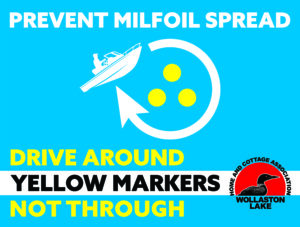
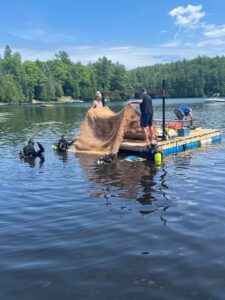
Prevent Milfoil spread

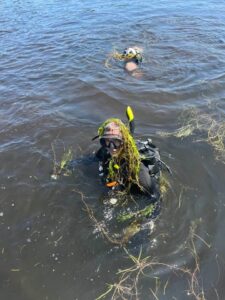
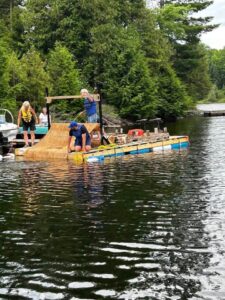
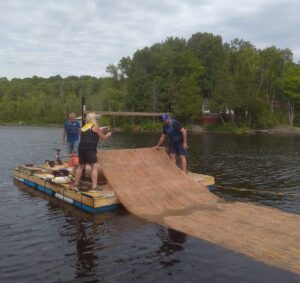
Special thanks to all the Wollaston Lake Volunteers, in and out of the water, the Belleville Dive Club and MNRF/DFO. Your ongoing support is much appreciated.

If you are interested in Benthic Mats next year, or to learn more about how to become involved, please email us at WLHCA.membership@gmail.com

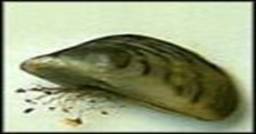
Zebra mussels are an invasive aquatic species that can attach to hard surfaces such as rocks, docks, boats, motors, water intake lines, and other equipment. Once established, they can spread rapidly and significantly alter the balance of a lake ecosystem.

Their presence can affect native species, reduce available food sources, change water clarity, clog water lines, damage equipment, and create sharp shell hazards along shorelines and swimming areas.

Because zebra mussels can be transported between lakes on boats, trailers, and equipment, prevention is essential. Boaters should carefully inspect, clean, drain, and dry all equipment before launching into Wollaston Lake or moving to another waterbody.
Other Invasive Species to Watch Out For

Starry stonewort is an invasive green algae that can grow tall and dense, forming mats near the water’s surface. These dense growths can interfere with recreation, affect boating and swimming, and potentially displace native aquatic plant species.

Starry stonewort has been found in nearby lakes, including Stoney Lake and Big Cedar, making awareness and prevention especially important for Wollaston Lake.

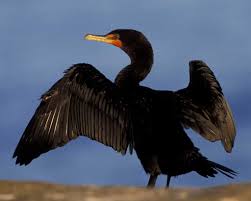
In 2015, WLHCA received reports of cormorants scouting on Wollaston Lake. Residents, cottagers, and visitors are encouraged to report any sightings using the OWL form or by emailing wlhca.news@gmail.com.
Land Based Invasive Species

Invasive species are not limited to the water. Several land-based invasive plants can also threaten natural areas around Wollaston Lake, and some may pose health hazards. Learning to identify and report land-based invasive species helps protect local trails, shorelines, natural habitats, and community spaces.

Giant hogweed has been reported in the Wollaston Lake area, as well as in nearby North Kawartha Township. This noxious plant can cause serious skin irritation and burns when sap contacts skin and is then exposed to sunlight. Residents, cottagers, and visitors should avoid touching or handling suspected giant hogweed and should report sightings through the appropriate invasive species reporting channels.

Protect the Future of Wollaston Lake

Whether you're a resident, seasonal cottager, or lake enthusiast, your support helps preserve the natural beauty, environmental health, and community spirit of Wollaston Lake for generations to come.